
Home EV charger installation in Launceston
EV charger installation in Launceston
Installing an EV charger in Launceston involves more than simply mounting a unit on a wall. It is a regulated electrical service that must comply with Tasmanian legislation, wiring standards, and safety requirements.
At the same time, it is a practical decision. You need the right charger, the right electrical capacity, and a setup that works with how and when you charge your vehicle.
At Mance Electrical, we’ve been working on Launceston homes and electrical systems for generations. Established in 1920, our team has evolved alongside the electrical industry itself, adapting to new technologies while maintaining the same focus on safety, quality, and reliable service.
We provide EV charger installation in Launceston carried out by licensed electricians, ensuring your system is safe, compliant, and built for long-term use.
EV charger home installation by licensed electricians in Launceston
EV charger installation Launceston falls under electrical work, which means it must be completed by a licensed electrical contractor.
This is not just a regulatory requirement. It is about ensuring your home’s electrical system can safely support modern energy demands.
With over 100 years of experience working across Launceston properties, from older homes to new builds, we understand how different electrical systems behave and what is required to upgrade them properly.
A properly installed EV charger takes into account:
- Safe integration with your existing electrical infrastructure
- Compliance with AS/NZS 3000 wiring rules
- Long-term load demand as EV usage increases
This is about getting the installation right the first time.
If your home requires upgrades before installation, this often overlaps with services like electrical switchboard upgrades and safety improvements.
Do you need a licensed electrician to install an EV charger in Tasmania?
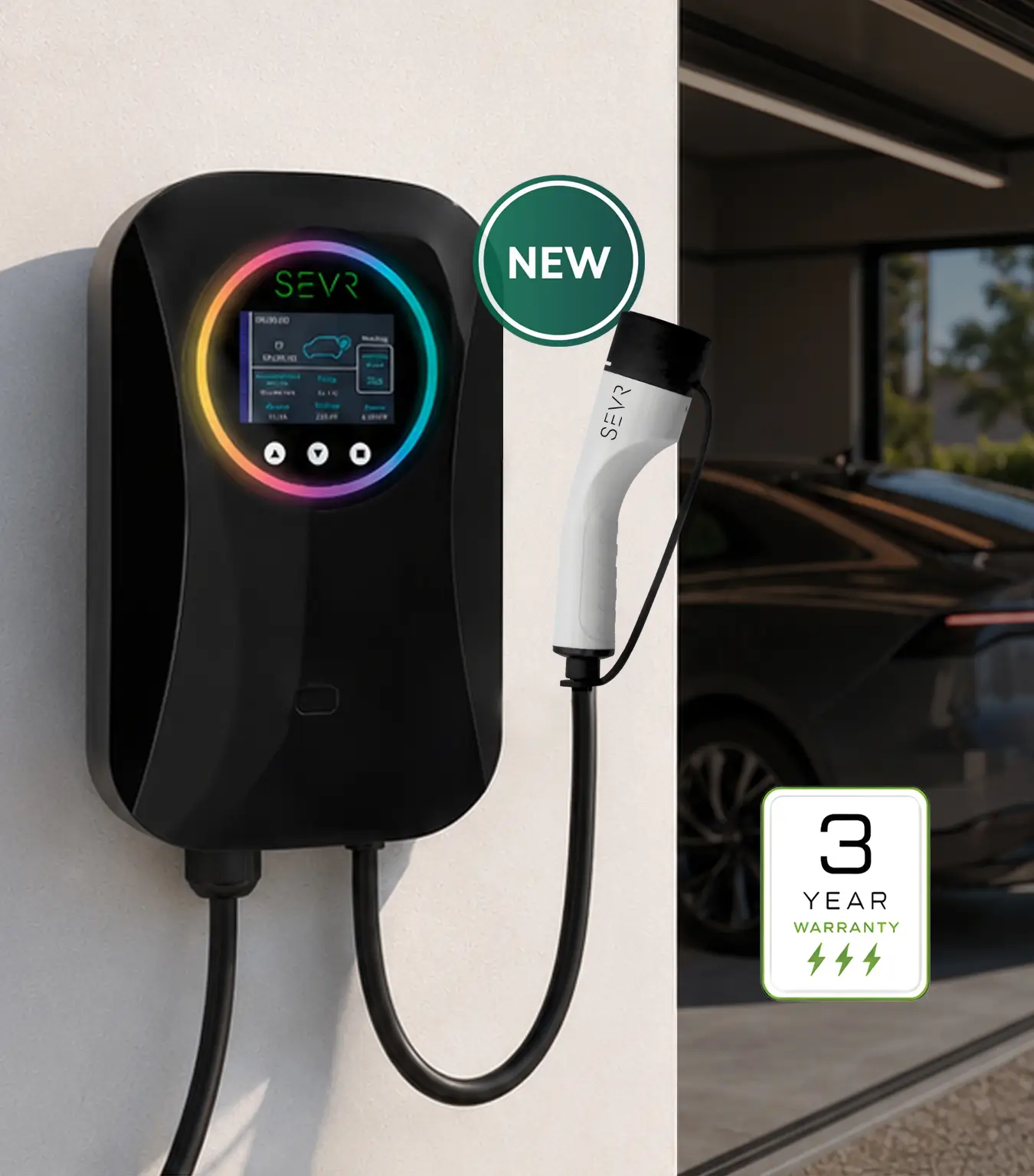
In Tasmania, EV chargers are classified as fixed electrical equipment. This means installation must be completed by a licensed electrician. DIY installation is not allowed.
Once the work is completed, you will receive a Certificate of Electrical Compliance (CEC). This document confirms:
The installation meets Australian standards
The system has been tested for safety
The work has been carried out by a licensed contractor
What your home needs before installing an EV charger
Before installing an EV charger, your electrical system needs to be assessed. Not every property is immediately ready for EV charging. That is why you need to be aware of the AS/NZS 3000 requirements for home EV charging .
Switchboard Capacity & Electrical Upgrades
Your electrical switchboard must be able to handle the additional electrical load. In many homes, especially older ones, upgrades may be required.
These upgrades typically involve improving capacity, adding protection devices, or bringing the system up to current standards.
Dedicated Circuit Requirements (AS/NZS 3000)
EV chargers must be installed on a dedicated circuit. This ensures stable performance and prevents overload across other parts of your electrical system.
It is also a requirement under Australian wiring rules.
Single Phase vs Three Phase (7kW vs 22kW)
The type of power available at your property determines charging speed.
Single-phase systems support 7kW charging, which suits most households. Three-phase systems allow for faster charging at 22kW but require compatible infrastructure.
The right option depends on your vehicle, driving habits, and electrical setup.
Our EV charger installation process in Launceston
The installation process is structured to ensure safety, compliance, and clarity at every stage.
Site Inspection & Quote
We begin by assessing your electrical system, charger requirements, and installation location. This allows us to provide an accurate and transparent quote.
Installation by Licensed Electrician
All installation work is completed by licensed electricians, ensuring the system is installed correctly and meets all regulatory requirements.
Testing, Certification & Handover (CEC Certificate)
Once installed, the system is tested and certified. You will receive a Certificate of Electrical Compliance confirming the work meets all required standards.
Electrical Compliance & Certification in Tasmania (CEC Explained)
Installing an EV charger is notifiable electrical work in Tasmania. That means a licensed electrical contractor must carry out the work and issue a Certificate of Electrical Compliance for it.
Every EV charger we install comes with a Certificate of Electrical Compliance
It proves the work was legal.
Anyone can mount a box on a wall. The certificate is the record that a licensed contractor designed the circuit, installed it to the wiring rules, and tested it before handing it over.
It follows the house
When you sell, the certificate forms part of the electrical documentation a buyer, conveyancer or building inspector may ask to see. An EV charger with no paperwork behind it becomes a question mark during a sale, usually at the worst possible moment.
How to reduce EV charging costs in Tasmania
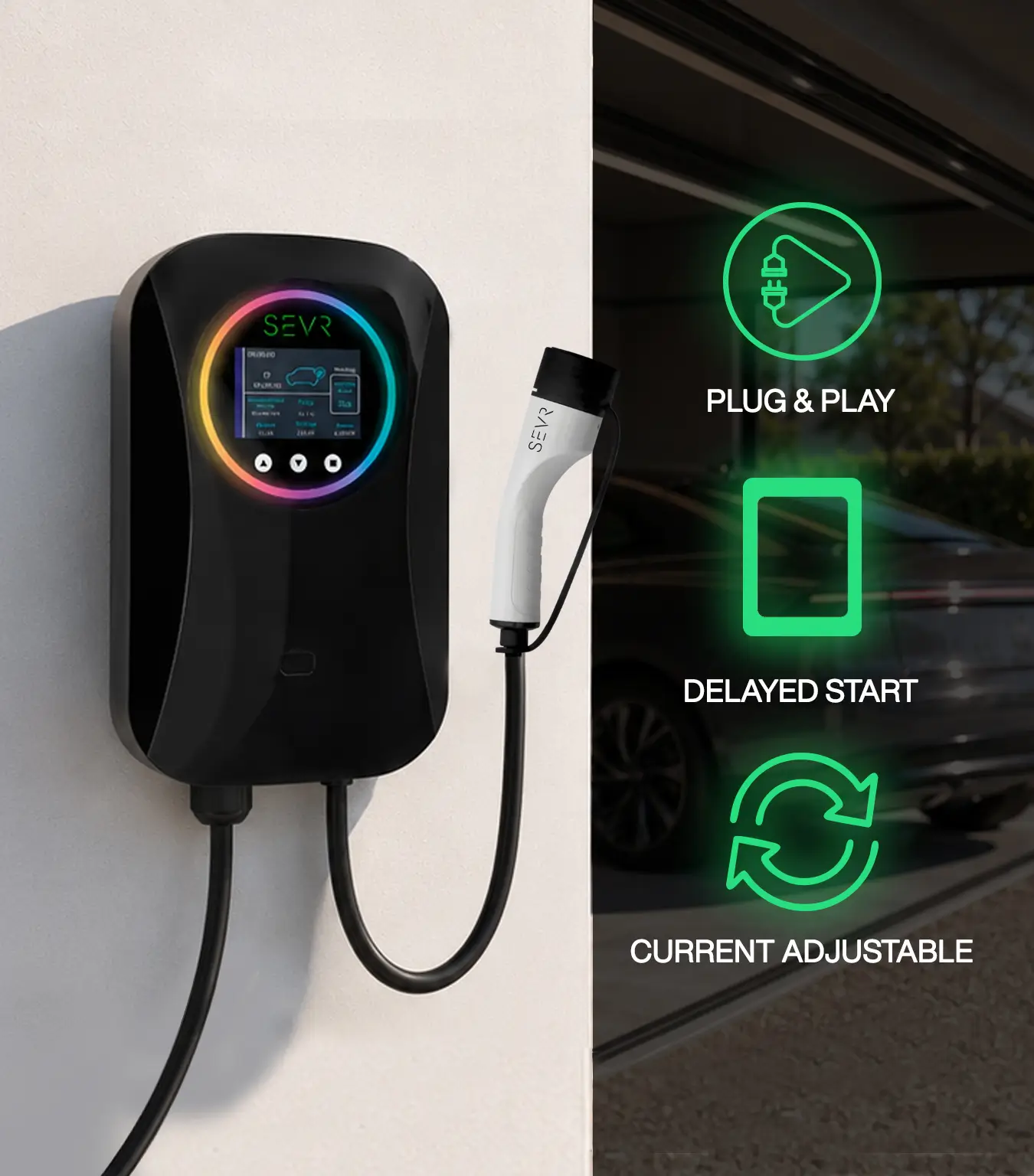
Charging your EV efficiently is just as important as installing the charger itself.
Off-Peak Charging (Tariff 93 Explained)
Electricity retailers in Tasmania offer peak and off-peak pricing structures. Charging during off-peak hours, particularly overnight, can significantly reduce your costs.
Tariff 93 is commonly used for this purpose, allowing you to take advantage of lower electricity rates during non-peak periods.
Charging Your EV with Solar Power
If your home has solar panels, your EV charger can be configured to use excess solar energy. This reduces reliance on grid electricity and helps lower your overall energy costs.
Smart Chargers & Load Management
Smart chargers allow you to schedule charging times and manage electrical load across your home. This ensures efficient energy use while preventing overload and maintaining system stability.
Why choose Mance Electrical for EV charger installation in Launceston?
Mance Electrical brings over a century of Tasmanian electrical expertise to every job. As a fourth-generation family business, we’ve been “lighting up Launceston since 1920”, earning a reputation for craftsmanship and reliable service. Our electricians are fully licensed and insured, and they undergo
continuous training in the latest safety standards. We invest in high-quality test gear and follow rigorous procedures, so every Test & Tag inspection is thorough.
We provide services around Invermay, Newstead, South Launceston, Kings Meadows, Trevallyn, Prospect, Ravenswood, Norwood, Youngtown, Mowbray, West Launceston and the wider Tamar Valley/Northern Tasmania.
A long history
Our team has worked in Launceston homes for decades. We know how different houses are put together, from older builds to modern renovations, and how to carry out the work without turning your week upside down. That experience shows in the planning, the detail, and the finish.
Fully licensed
Your job is carried out by licensed electricians who keep up with current Australian Standards. Test instruments are calibrated, paperwork is supplied and you can reach us if you have a question later. It is electrical work done right, with clear accountability.
Trusted by locals
Most of our work comes from people telling friends and family. We keep things simple, turn up when we say, and clean up before we leave. If something needs a tweak after the fact, we come back and sort it.
Other services
To help meet workplace safety obligations, we also provide routine test and tag services for commercial equipment.
Construction projects and events can be supported through compliant temporary power connections where short-term supply is required.
Hidden faults and overheating issues can be identified early using professional thermal imaging inspections.
If something goes wrong unexpectedly, our emergency electrical services are available to assist with urgent residential electrical issues.
Have a question?
Can I install an EV charger in my home by myself?
No. EV charger installation must be carried out by a licensed electrician in Tasmania. DIY installation is not permitted for fixed electrical equipment.
Do I need to upgrade my switchboard or electrical panel to add an EV charger?
It depends on your current electrical capacity. Some homes will require upgrades, while others can support installation without changes. A site inspection determines what is needed.
What type of home EV charger should I get (single-phase vs three-phase, 7 kW vs 22 kW)?
Most homes use single-phase 7kW chargers. Three-phase 22kW systems provide faster charging but require the appropriate electrical supply.
How much does it cost to install an EV charger in Hobart or Launceston?
Typical installation costs range from $1,200 to $3,800, depending on equipment, labour, and installation complexity.
Can I charge my EV using solar power in Tasmania?
Yes. Solar-compatible chargers allow you to use excess solar energy to charge your vehicle, reducing electricity costs.
How long does it take to charge an EV at home in Tasmania?
Charging time varies depending on charger type. A 7kW charger typically charges overnight, while a 22kW system charges significantly faster where supported.
Do I need a permit to install an EV charger in Tasmania?
In most residential cases, council approval is not required. However, the installation must comply with electrical regulations and be certified.
Where else can I charge my EV?
Public charging stations are available across Launceston, including AC and fast-charging options.
Can I install an EV charger without having access to a driveway or garage?
It may still be possible, depending on installation conditions and safety requirements. Each property needs to be assessed individually.
I have an electric vehicle, which tariff should I be on?
Off-peak tariffs such as Tariff 93 are commonly recommended to reduce charging costs.
Which are the compatible ev chargers we install?
We install EV chargers that are compatible with a wide range of vehicles available in Australia.
This includes major brands such as Tesla, BYD, and MG, as well as other EV models. We also work with solar-compatible chargers designed for integration with home energy systems.
The goal is to match the charger not just to your vehicle, but to your energy usage and long-term needs.